

Best Platforms for Customer Incentive Programs: What to Look for in 2026
Customer incentive programs ironically get harder when they start working. A team begins by sending rewards manually after a completed referral. At 50 a month, it’s a smooth enough process. At 5,000, it becomes a real administrative hurdle. So how to move from customer action to verified eligibility to delivery without rebuilding the process every time? That’s where customer incentive platforms come in. Which is the best in 2026? The best platform is the one that best suits the program. Start with the behavior the business wants to encourage, then ask where eligibility is recorded, how often rewards go out, what recipients can use, and whether the workflow will still work at ten times the volume.
Start With the Trigger
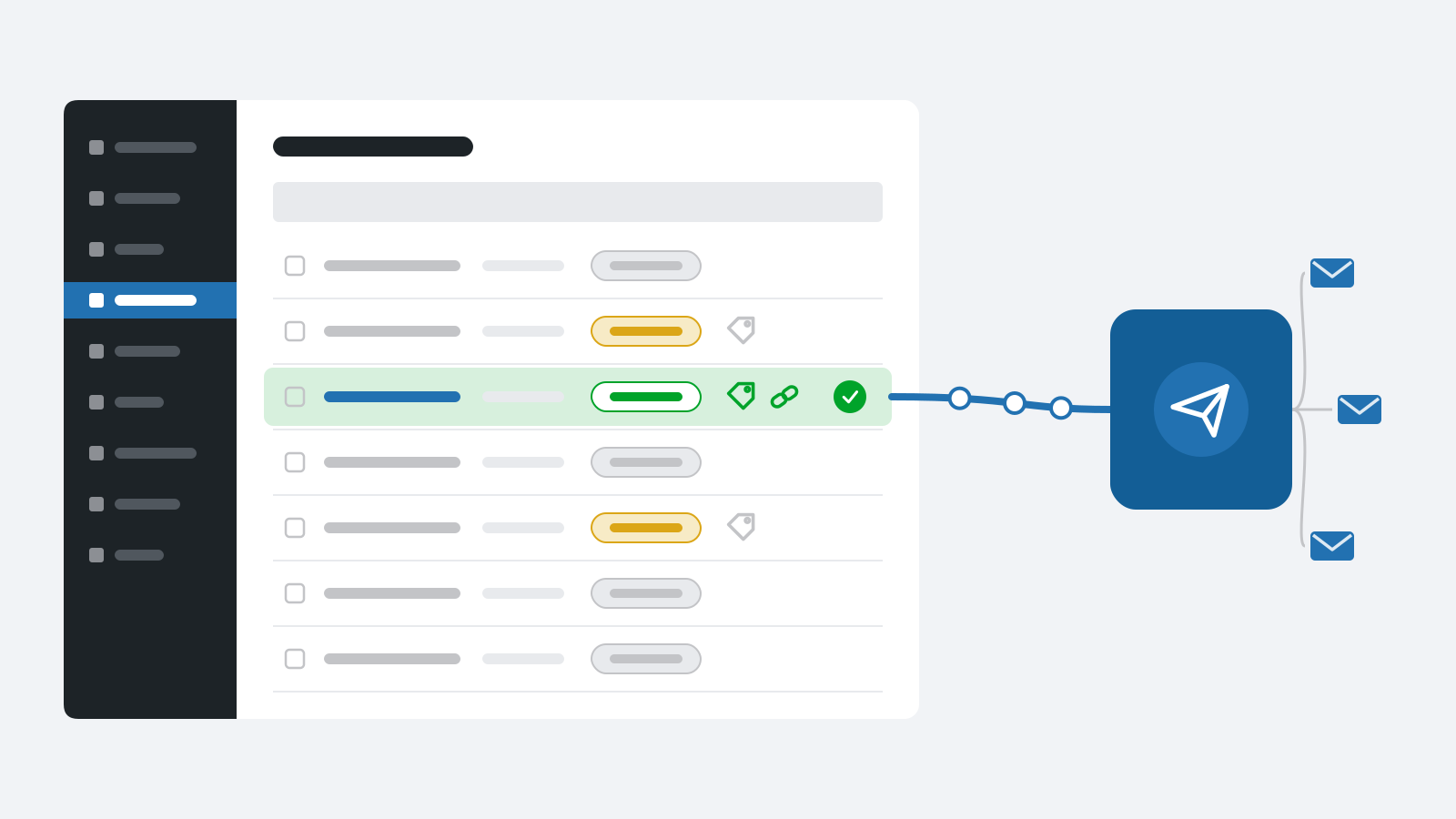
The system that records the customer action is the source of truth. A CRM records a converted referral through workflows. A WooCommerce store may define a qualifying purchase using discount rules and coupons or record a referred sale through an affiliate tracking extension. The rewards layer does not need to decide eligibility again. Its job is to execute the approved incentive.
When a Gift Card API Becomes Useful
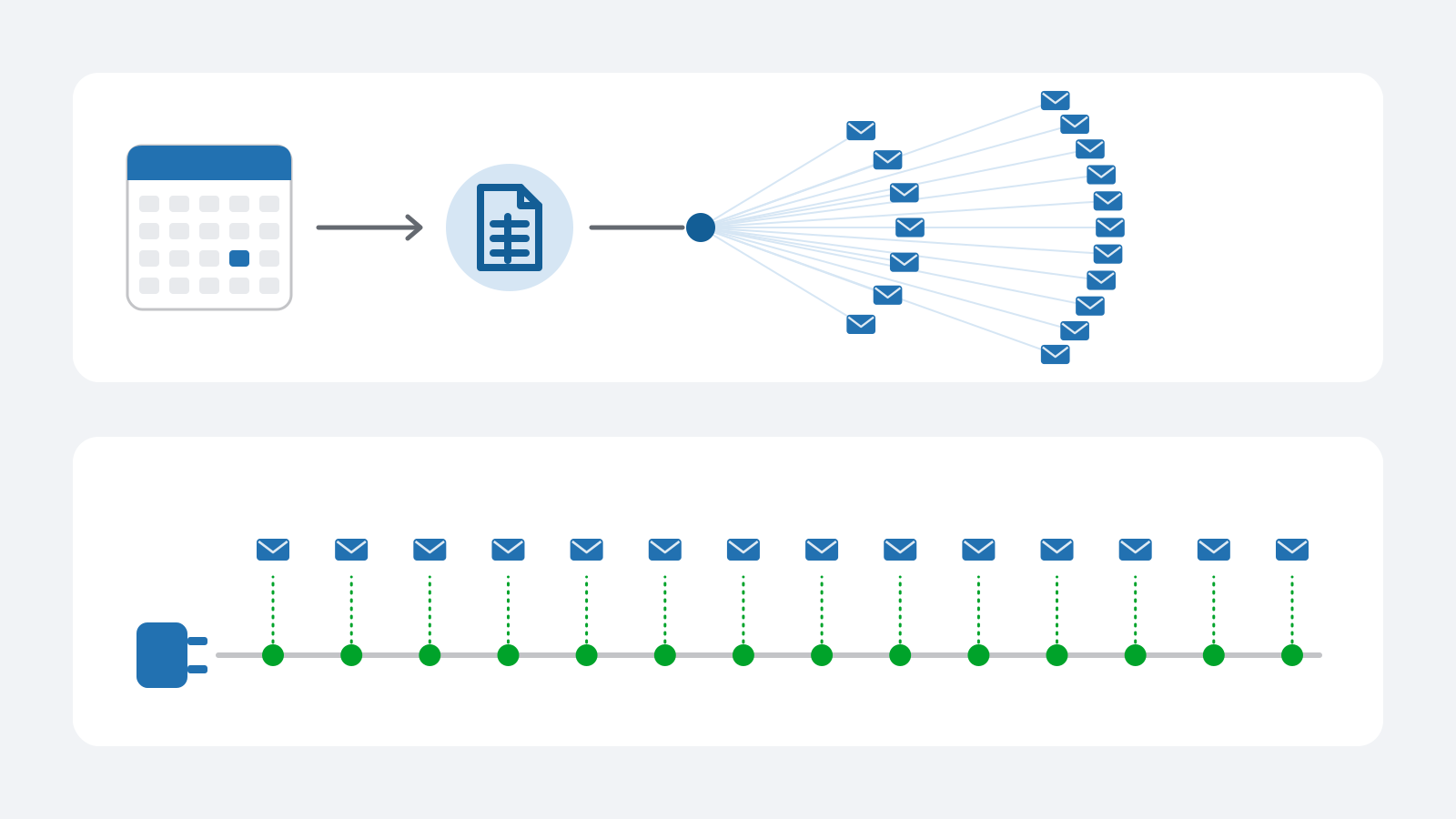
Planned campaigns may only need bulk sending, but always-on programs are different. If qualifying events happen daily, exporting a list and uploading it elsewhere creates recurring work and more chances for error.
A gift card API integration becomes useful when the source system already knows someone has qualified. The API removes the manual step between eligibility and delivery; it does not decide who deserves the incentive.
That is the core buying test: campaign-based programs need efficient bulk distribution, while continuous programs need infrastructure that can keep running without rebuilding the recipient list.
Best Customer Incentive Platforms Ranked by G2
Giftogram: Rated 4.8/5 (1,896)
Giftogram combines individual and bulk sending with scheduled delivery, integrations, Zapier, and API workflows. Recipients can choose from 140,000+ national and local brands, with prepaid Visa and Mastercard cards, charitable donations, and cash options. Team Wallet budgets and exportable reporting help programs move beyond ad-hoc sending. The value is the path from manually run incentives to repeatable distribution, while the business keeps control of the action, eligibility rules, and reward value.
Tremendous: Rated 4.8/5 (1,236 reviews)
Tremendous offers 2,500+ reward options across 200+ countries and regions, with bulk distribution, integrations, and API access. It also supports several cash payout methods. Buyers should compare local reward availability, funding costs, and the methods their program will actually use, rather than basing decisions on headline coverage.
Tango: Rated 4.7/5 (539 reviews)
Tango offers 3,100+ reward and payout options across 200+ countries and territories through its portal, integrations, Zapier, and API. The relevant questions remain what recipients can receive in priority markets, how qualification data reaches the platform, and what controls programs need as they grow.
Choose for the Program the Business Wants at Scale
The real test is what happens when volume grows tenfold. Does the same workflow keep working, or does growth require more spreadsheets, manual approvals, and reconciliation? Customer incentives are particularly suited to automation when the qualifying behavior already exists digitally: a converted referral, a qualifying order, or a completed onboarding step. The source system should establish eligibility; the rewards infrastructure should handle approved distribution.
The business decides which behavior has commercial value and how much it’s worth. The platform makes the resulting program repeatable.
Frequently Asked Questions
How does a company choose a customer incentive platform?
Start with the customer action, eligibility source, recipient markets, and expected volume. Then compare bulk and automated distribution, recipient choice, integrations, reporting, security, and total operating cost.
When should customer incentives be automated?
Automation makes sense when a reliable system already records the qualifying event. If each reward still requires human judgment, bulk sending may be more appropriate than an API workflow.
Can one platform support pilot campaigns and ongoing programs?
Yes, if it supports both bulk distribution and automation. Giftogram can support that progression through bulk sends, scheduled delivery, integrations, and API workflows while the source system remains responsible for eligibility.
- Author
- Latest Posts

Earn Money by Referring People
Refer customers to us with your affiliate link and earn commission on sales from your link.
Comments
Leave a Reply


US Servers with 24/7 North American Support

Starting with the trigger makes a lot of sense, because if the qualifying action is not recorded reliably, the reward will always be disputed later.